
Corporate Film vs Promotional Video: What’s the Difference?
November 2, 2026
How Logo Design Fits Into Brand Identity
November 6, 2026
Packaging is no longer just a protective layer around a product. In a competitive marketplace, it has become an important part of how customers recognize, remember, and experience a brand. From the colors and typography to the materials, structure, imagery, and messaging, every packaging decision can influence how a business is perceived.
The Role of Packaging in Brand Identity has become increasingly important as consumers interact with countless products across physical stores, websites, marketplaces, and social media platforms. Before customers understand the product itself, they often notice its visual presentation. A distinctive package can communicate quality, personality, positioning, and values within seconds.
For businesses investing in branding, packaging provides a physical opportunity to turn brand strategy into a tangible customer experience. When packaging is thoughtfully designed, it can create recognition, strengthen credibility, differentiate a product from competitors, and encourage repeat purchases.
This article explores how packaging contributes to brand identity, the elements that make packaging memorable, common mistakes businesses should avoid, and how strategic packaging design can create stronger connections between brands and consumers.
What Is Brand Identity?
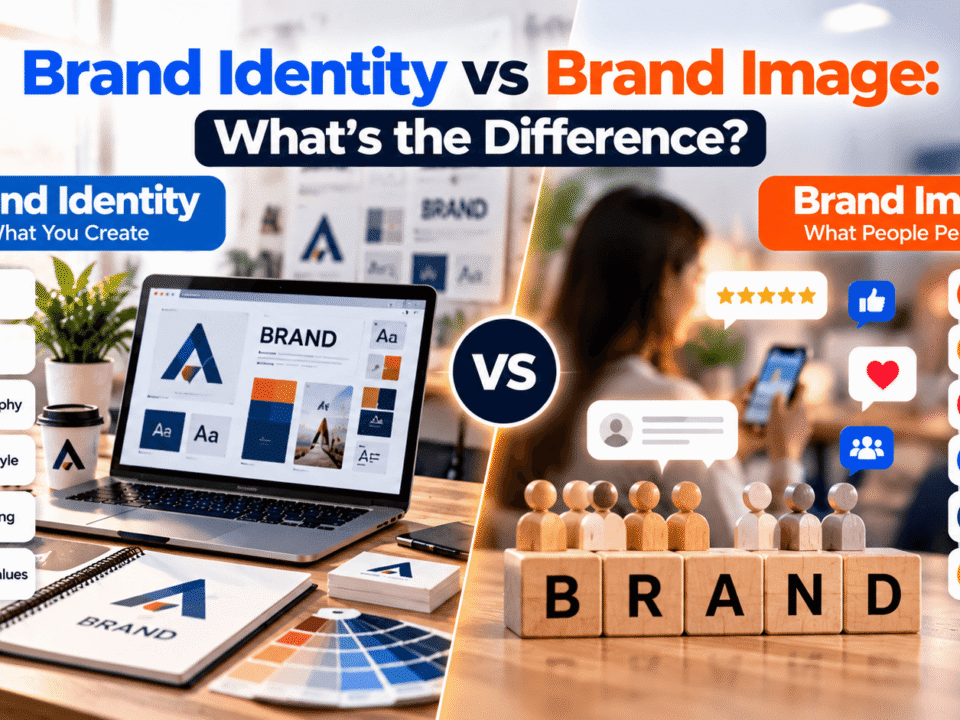
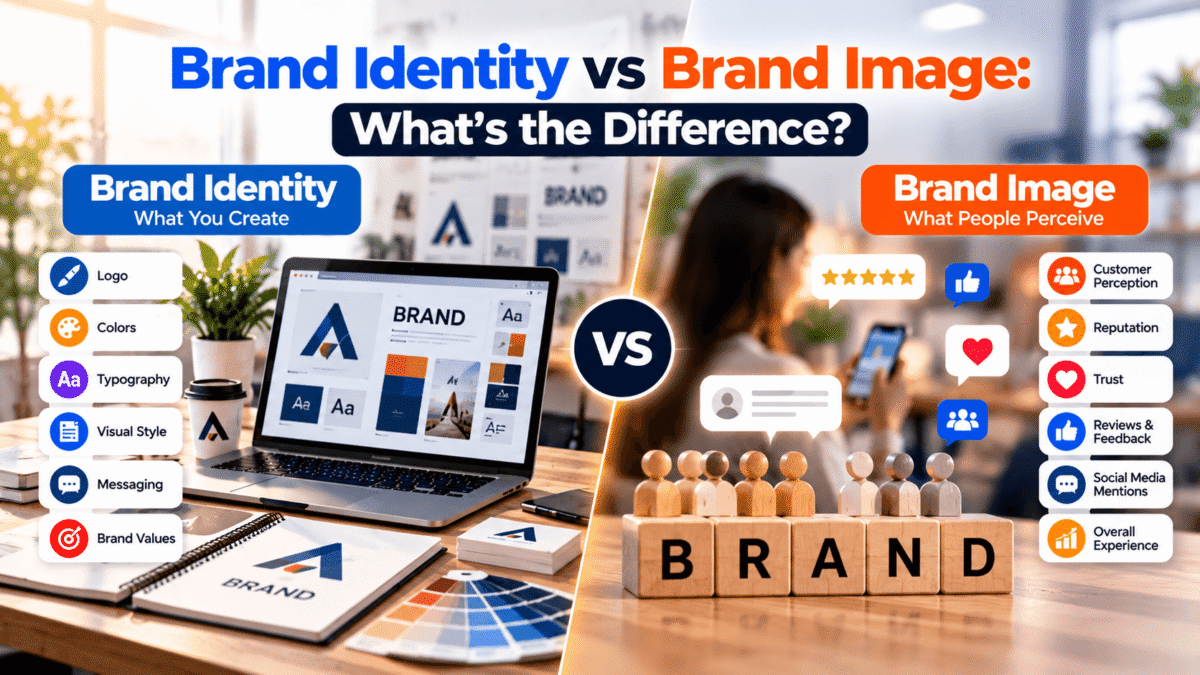
Brand identity refers to the collection of visual and verbal elements a business uses to communicate who it is and what it represents. It includes elements such as:
- Logo
- Brand colors
- Typography
- Photography and imagery
- Graphic elements
- Tone of voice
- Packaging
- Website design
- Marketing materials
- Product presentation
Brand identity gives a business a recognizable personality. It helps customers distinguish one company from another and creates consistency across different touchpoints.
Packaging is one of the most tangible expressions of this identity.
While a website or advertisement communicates digitally, packaging allows customers to physically interact with a brand. The box they hold, the label they read, the material they touch, and the colors they see all contribute to their perception of the company.
This makes packaging an extension of the overall brand identity rather than an isolated design exercise.
Why Packaging Matters in Brand Identity
Packaging can influence customer perception before a product is opened or used. A well-designed package can immediately communicate whether a product is premium, practical, sustainable, playful, traditional, modern, luxurious, or innovative.
This is particularly important in crowded product categories where several products may offer similar functional benefits.
Packaging Creates the First Brand Impression
First impressions are important because customers often make rapid judgments when evaluating products.
When a customer encounters a product for the first time, packaging can answer several subconscious questions:
- Does this product look trustworthy?
- Does it appear valuable?
- Is it relevant to me?
- Does the brand seem professional?
- What type of experience should I expect?
- Is the product different from other options?
Strong packaging design can communicate these qualities without requiring lengthy explanations.
For example, restrained typography, refined materials, and minimal graphics may communicate sophistication. In contrast, energetic colors, expressive illustrations, and unconventional shapes may communicate creativity or playfulness.
The key is ensuring that the visual language reflects the intended brand positioning.
Packaging Communicates Brand Personality
Every brand has a personality, whether it has been deliberately defined or not. Packaging gives businesses an opportunity to make that personality visible.
A brand positioned around simplicity may use clean layouts, restrained colors, and straightforward messaging. A brand focused on natural products may use earthy tones, organic textures, and sustainability-focused materials.
The important factor is consistency.
If a company’s website communicates a premium and sophisticated identity but its packaging appears generic and inconsistent, customers may experience a disconnect.
Packaging should therefore reinforce the same personality customers encounter through advertising, websites, social media, retail environments, and other brand touchpoints.
The Visual Elements of Packaging Brand Identity
Effective packaging is built from several interconnected design elements. Each one contributes to how customers identify and interpret a product.
Brand Colors and Packaging Recognition
Color is one of the strongest visual components of packaging design.
A consistent color palette can make products easier to recognize on shelves, websites, and social media feeds. Over time, customers may associate specific colors with a particular brand even before reading the logo.
However, color selection should not be based only on personal preference. It should consider:
- Brand personality
- Target audience
- Product category
- Cultural context
- Competitive environment
- Accessibility
- Printing limitations
- Digital consistency
A carefully defined packaging color system can create visual continuity across multiple products.
If a company has a portfolio containing several product categories, colors can also be used strategically to differentiate product variants while maintaining an overall brand system.
Typography and Packaging Identity
Typography is another major component of packaging identity.
The typefaces used on packaging influence how information feels and how easily customers can understand it. Typography can communicate attributes such as:
- Premium quality
- Modernity
- Reliability
- Tradition
- Innovation
- Simplicity
- Approachability
However, attractive typography should never compromise readability.
Packaging often needs to communicate product names, descriptions, ingredients, instructions, specifications, regulatory information, and other details within limited space.
A strong typography system establishes hierarchy so customers can quickly identify the most important information.
The brand name may receive the strongest visual emphasis, followed by the product name, key benefit, supporting information, and technical details.
Logo Placement and Brand Recognition
The logo provides an immediate visual identifier for a company.
Its placement on packaging should be intentional rather than simply added wherever space is available.
A logo should remain visible without overpowering the product information. Depending on the packaging structure, it may appear on the front, top, side, closure, label, or other relevant areas.
Consistency in logo usage helps strengthen recognition across product lines.
When customers repeatedly encounter the same logo treatment, visual proportions, and surrounding design language, the connection between packaging and brand becomes stronger.
Packaging Materials and Brand Perception
Packaging materials communicate more than functionality.
Customers can form perceptions based on the material they see and touch.
Rigid packaging may suggest durability or premium positioning. Lightweight packaging may communicate convenience. Recycled or recyclable materials may support sustainability-oriented positioning.
Material choices can therefore become part of brand storytelling.
However, businesses should avoid using sustainability claims simply as a marketing decoration. If environmental positioning is central to the brand, material choices, sourcing, labeling, and disposal information should support those claims in a transparent way.
Packaging Shape and Structural Design
Packaging structure can be as important as its graphics.
A distinctive shape can help a product stand out, create a memorable unboxing experience, or improve usability.
Structural packaging decisions may include:
- Box dimensions
- Bottle shape
- Closure design
- Folding mechanisms
- Compartments
- Handles
- Labels
- Inserts
- Opening experience
A thoughtfully designed structure can transform an ordinary product interaction into a recognizable brand experience.
The structure should still serve practical requirements such as protection, transportation, storage, manufacturing, and cost efficiency.
Packaging as a Storytelling Tool
Strong packaging can tell a story.
Instead of simply presenting product information, it can communicate where the product comes from, why it exists, what the brand believes, or how the product should be experienced.
Storytelling can be achieved through:
- Visual motifs
- Product photography
- Illustrations
- Short messages
- Material choices
- Brand language
- Product naming
- Manufacturing details
- Origin information
The goal is not to overcrowd the package with information.
Effective packaging storytelling is selective. It identifies the most meaningful brand message and presents it in a way customers can understand quickly.
The Role of Packaging in Customer Experience
Brand identity does not end when a customer recognizes a product. It continues throughout the interaction.
Packaging can influence the customer experience from the moment the product is discovered until it is opened, used, stored, or disposed of.
The Unboxing Experience
Unboxing has become an important part of product experience, particularly for products purchased online.
When customers receive a package, every element can contribute to their perception:
- Outer packaging
- Product box
- Protective materials
- Inserts
- Thank-you messages
- Product documentation
- Labels
- Presentation
- Opening sequence
A carefully designed unboxing experience can make customers feel that the brand has considered the entire journey rather than only the product itself.
It can also encourage customers to share their experience through photographs, videos, reviews, and social media posts.
Packaging and Emotional Connection
People do not always make purchasing decisions based solely on functional features.
Emotions, familiarity, aesthetics, trust, and perceived value can influence product selection.
Packaging can create emotional associations through visual and sensory cues.
A warm color palette may create a different emotional response from a monochromatic one. A textured material may feel different from glossy plastic. A carefully printed message may feel more personal than generic packaging.
These details can contribute to a broader emotional relationship between customers and brands.
Packaging Helps Differentiate Products
In highly competitive markets, functional differentiation can be difficult.
Several products may provide similar features, benefits, or price points. Packaging can provide another layer of differentiation.
A distinctive packaging system can help customers recognize a product quickly and understand its positioning.
Differentiation does not necessarily mean creating the most unusual package on the shelf.
Sometimes effective differentiation comes from clarity.
A package that communicates its product category, primary benefit, and brand identity more clearly than surrounding products can create a stronger customer impression.
Packaging and Brand Consistency
Consistency is fundamental to brand identity.
If a company sells multiple products, packaging should feel like part of the same family.
This does not mean every product must look identical.
Instead, brands can establish consistent design principles around:
- Typography
- Logo treatment
- Color systems
- Layout structures
- Photography
- Illustration style
- Icons
- Materials
- Information hierarchy
Product-specific elements can then be introduced without losing overall brand recognition.
This creates a packaging architecture that can scale as the product portfolio expands.
Packaging Design for Different Product Categories
Packaging requirements differ significantly between industries.
Food packaging may prioritize freshness, ingredients, nutritional information, and shelf visibility. Cosmetics may emphasize sensory appeal, sophistication, and product benefits. Electronics may focus on protection, specifications, and technical credibility.
Industrial products may prioritize durability, instructions, handling information, and logistical efficiency.
Therefore, there is no universal packaging formula.
The design should balance brand identity with category expectations and practical requirements.
Sustainable Packaging and Brand Identity
Sustainability has become an increasingly important consideration in packaging.
Businesses are exploring ways to reduce unnecessary materials, improve recyclability, optimize package sizes, and select materials with lower environmental impact.
Sustainable packaging can support a brand’s identity when environmental responsibility is genuinely part of its broader business strategy.
Potential approaches include:
- Reducing excessive packaging
- Using recyclable materials
- Designing reusable packaging
- Optimizing package dimensions
- Reducing material waste
- Providing clear disposal information
- Evaluating production processes
However, sustainability should not compromise essential product protection.
Damaged products can create additional waste, transportation costs, and customer dissatisfaction. Effective sustainable packaging therefore requires balancing environmental objectives with product safety and performance.
Packaging and Digital Brand Experiences
Although packaging is physical, its impact increasingly extends into digital environments.
Customers photograph products, post unboxing videos, write reviews, and share purchases online.
This means packaging should also be considered from a digital perspective.
A package that looks distinctive in photographs can reinforce brand recognition across social platforms and ecommerce listings.
QR codes, augmented experiences, product registration, digital instructions, and personalized landing pages can also connect physical packaging with digital experiences.
This creates a bridge between offline and online branding.
How Packaging Influences Perceived Product Value
Packaging can influence how customers perceive the value of a product.
Two products with similar functionality may be perceived differently depending on how they are presented.
Premium materials, precise printing, balanced layouts, strong typography, and thoughtful structural design can contribute to perceptions of quality.
However, packaging should support the actual product value rather than create misleading expectations.
If packaging promises an experience that the product cannot deliver, the result can be disappointment and reduced trust.
The strongest packaging strategies align visual promise with actual product performance.
Packaging as a Competitive Advantage
Packaging can become a strategic asset when it is consistently designed, recognizable, and aligned with customer expectations.
A strong packaging system can support:
- Product recognition
- Brand recall
- Shelf differentiation
- Customer trust
- Product positioning
- Repeat purchases
- Digital visibility
- Brand storytelling
Over time, these benefits can contribute to a stronger overall brand presence.
The objective should not simply be to make packaging attractive. The objective is to create packaging that works as part of the broader brand strategy.
Common Packaging Branding Mistakes
Even well-intentioned packaging projects can weaken brand identity if certain issues are overlooked.
Inconsistent Branding
Using different fonts, colors, logos, and design styles across product packaging can make the brand difficult to recognize.
Too Much Information
Overloading the front of a package with multiple messages, claims, graphics, and design elements can reduce clarity.
Poor Readability
Small text, weak contrast, decorative fonts, or complicated layouts can make important information difficult to understand.
Following Trends Too Closely
Design trends can provide inspiration, but packaging should not become outdated when a trend disappears.
Ignoring Practical Requirements
Packaging must work physically, not just visually. Durability, transportation, storage, production, and usability must be considered.
Failing to Consider the Product Portfolio
Designing one package without considering future product variations can create problems when the brand expands.
How to Build a Strong Packaging Brand Identity
A strategic packaging process can help businesses create stronger and more consistent results.
Define the Brand Positioning
Start by identifying what the brand stands for and how it should be perceived.
Consider:
- Target customers
- Brand personality
- Market position
- Product benefits
- Competitive environment
- Brand values
Establish a Packaging Design System
Define the core visual elements that will remain consistent across products.
This may include:
- Primary and secondary colors
- Typography
- Logo guidelines
- Layout principles
- Photography direction
- Illustration style
- Iconography
- Materials
- Finishing techniques
Create a Clear Information Hierarchy
Determine which information customers need to notice first, second, and third.
This prevents packaging from becoming visually overwhelming.
Design for Scalability
Think beyond one product.
A packaging identity should be flexible enough to accommodate new products, sizes, flavors, variants, or collections.
Test the Packaging
Packaging should be reviewed in realistic situations.
Test how it appears:
- On a shelf
- In ecommerce listings
- In photographs
- Under different lighting
- At different viewing distances
- In shipping environments
Customer feedback can also reveal usability and communication problems that designers may overlook.
The Future of Packaging and Brand Identity
Packaging will continue to evolve as consumer expectations, technology, sustainability requirements, and purchasing behavior change.
Future packaging strategies are likely to place greater emphasis on personalization, digital integration, sustainable materials, efficient production, and interactive experiences.
Smart packaging can connect physical products to digital content. Personalized packaging can create more relevant customer experiences. Better material technologies can help businesses reduce environmental impact while maintaining performance.
At the same time, fundamental branding principles will remain important.
Customers still need to recognize the brand, understand the product, trust the information, and experience consistency.
Technology should therefore enhance brand identity rather than replace the basic principles of good design.
Why Businesses Should Treat Packaging as a Branding Investment
Packaging is often treated as a production requirement, but it can play a much broader strategic role.
When packaging is integrated into the brand identity from the beginning, businesses can create a more consistent customer experience.
Instead of designing packaging after the product and branding decisions are complete, businesses can consider packaging alongside brand strategy, product positioning, communication, and customer experience.
This approach allows packaging to become a recognizable brand asset.
The strongest packaging systems are not necessarily the most complicated. They are the ones where every design decision has a clear purpose.
From color and typography to structure and material, each element should contribute to the same brand story.
Conclusion: The Role of Packaging in Building a Memorable Brand
The Role of Packaging in Brand Identity extends far beyond protecting a product. Packaging can influence first impressions, communicate brand personality, differentiate products, create emotional connections, support customer experience, and strengthen brand recognition.
A successful packaging strategy combines creativity with functionality. It considers the brand’s positioning, audience, product category, sustainability goals, operational requirements, and long-term growth.
For businesses, packaging should therefore be considered a strategic brand touchpoint rather than simply a container.
When every element works together—from the logo and typography to the colors, materials, structure, messaging, and unboxing experience—packaging becomes a physical expression of the brand.
If your business needs a stronger packaging strategy that aligns product presentation with your broader brand identity, you can explore packaging and branding solutions with our team.
Create a Stronger Packaging Brand Identity
Your packaging is often one of the first physical interactions customers have with your product. Make that interaction meaningful, recognizable, and consistent with your brand.
A strategic approach to packaging can help transform an ordinary product presentation into a memorable brand experience.
Get in touch with our team to discuss your packaging and brand identity requirements.